


State Government's Overhead Overload
And it's not just the feds who are hiring. USA Today reported in November that "even as the economy slides into recession, many state and local governments continue to spend freely and expand their workforces. ... State and local governments added 160,000 workers in the past year, when the private sector cut 1.38 million jobs."
The Wall Street Journal reported that "the worsening U.S. economy hit the nation's work force hard in December, as the unemployment rate climbed to 7.2% and brought the total number of jobs lost last year to just over 2.5 million--the most since 1945. Job losses spared no region or sector, except for small increases in education and health-care services and government employment."
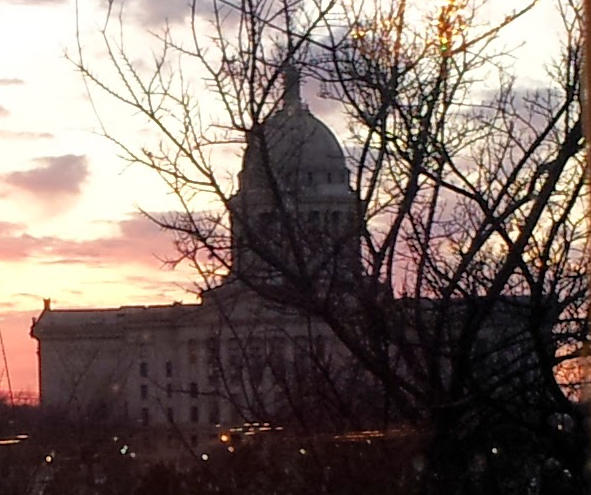
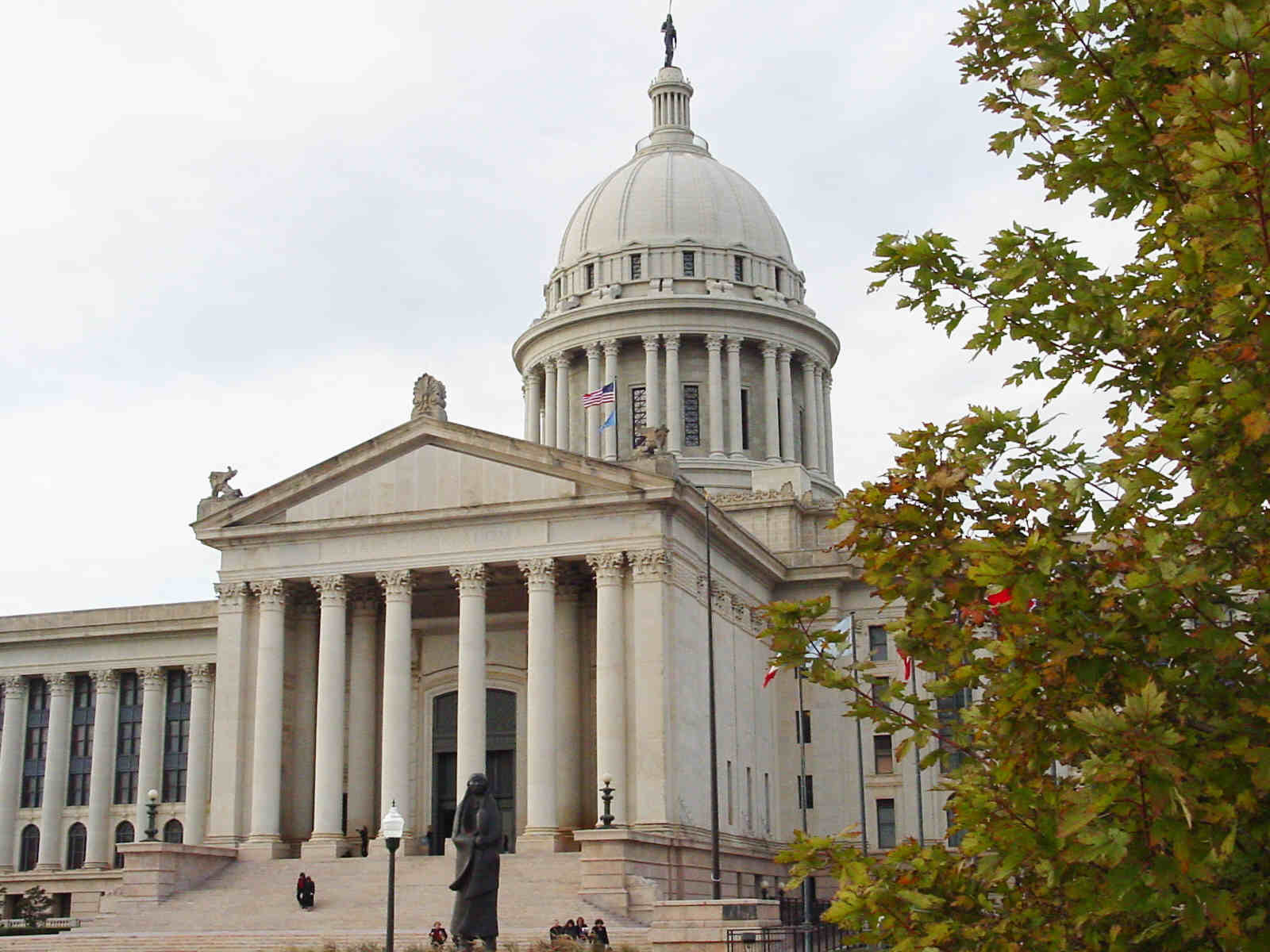
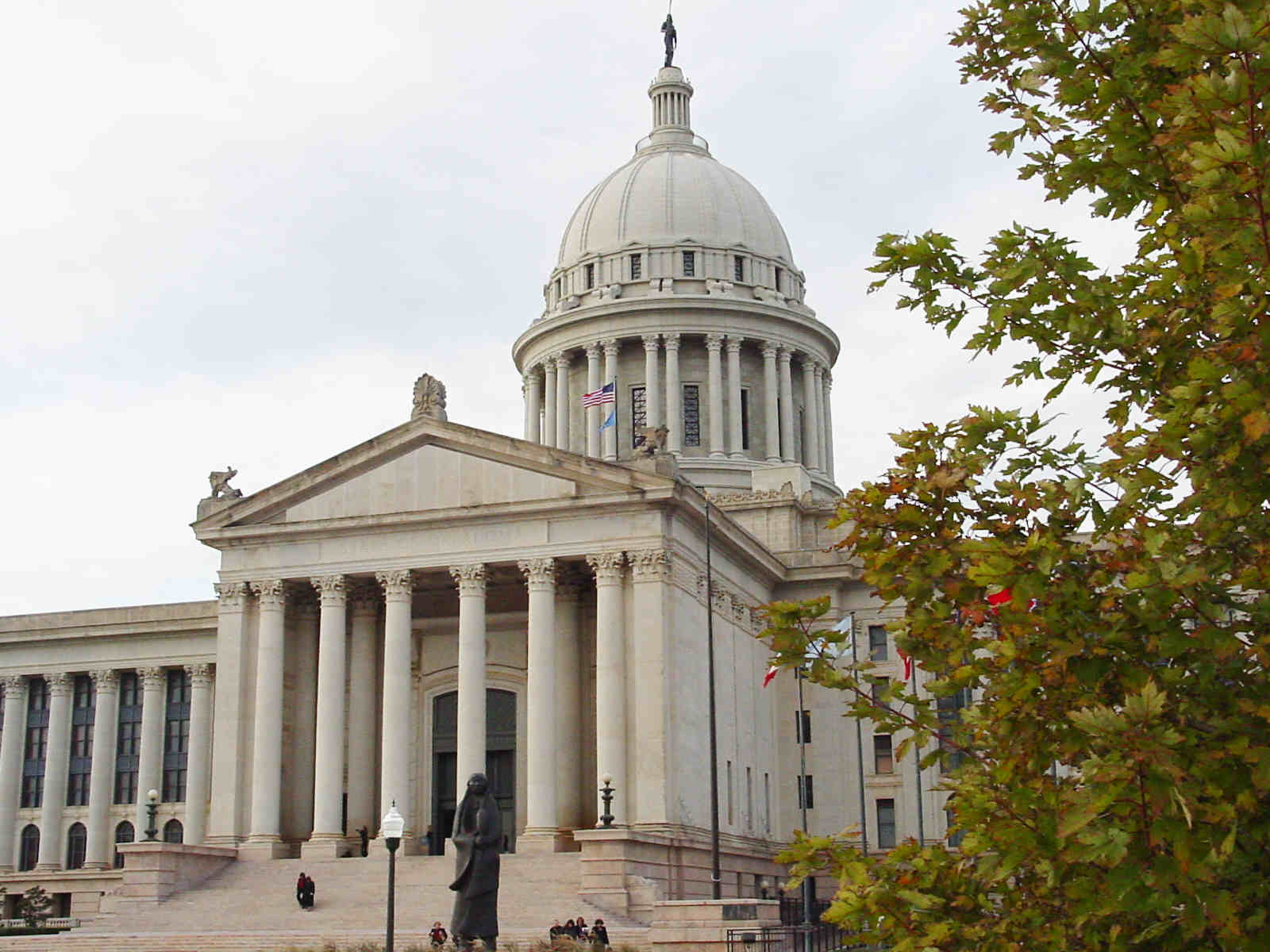
Here at home, even as the politicians at 23rd and Lincoln will have about $310 million less of your money to spend in next year's state budget, Governor Brad Henry and Treasurer Scott Meacham have said they don't expect state employees to be laid off over the next year.
Hmmm. Why not?
It would be one thing if the government were already operating with a skeleton crew. But in fact, the opposite is true. As the latest figures from the federal Bureau of Economic Analysis (BEA) make painfully clear, we already have way too many government employees in this state.
Ponder this: Oklahoma's ratio of government employment to private-sector employment is a disturbing fifth-highest in the country. Bringing that ratio in line with the national average would have saved Oklahoma taxpayers $2.8 billion last year alone. Talk about a stimulus package: How would you like to see an additional $2.8 billion in private investment and spending in our economy?
Slice and dice the BEA data any way you like. Disaggregate the state-government workers and the local-government workers. The results are the same: Government employment in Oklahoma is off the charts. See for yourself in the article "Overcrowding on the Government Gravy Train," which is available at ocpathink.org.
Nearly every year state employees ask for a raise, and a sympathetic capitol press corps steps up to provide the agenda journalism necessary to frame the discussion.
It's time for the story formula to change. Policymakers need to step up and say: "Look, we agree that many (not all) state employees deserve a raise. But we can't have that discussion until we have a more fundamental discussion: We're a relatively poor state, and we simply cannot afford all this overhead. We can't expect Oklahoma's taxpayers -- who themselves wouldn't mind a pay raise -- to support this many government workers."
There is reason for optimism. The new leader in the state Senate, President Pro Tem Glenn Coffee, recently pointed out that "in the next decade, we're going to have a large percentage of state employees who are going to retire. If there is a way to make agencies more efficient and not have to replace those positions, we can save taxpayers a lot of money."
Indeed. And in all likelihood, leadership on this issue will need to come from Coffee and from House Speaker Chris Benge. For it's difficult to imagine Governor Henry saying what Jeb Bush, the former governor of Florida, said so beautifully in his 2003 inaugural address: "There would be no greater tribute to our maturity as a society than if we can make these buildings around us empty of workers -- silent monuments to the time when government played a larger role than it deserved or could adequately fill."




Latest Commentary
Thursday 30th of April 2026
Thursday 30th of April 2026
Thursday 30th of April 2026
Thursday 30th of April 2026
Thursday 30th of April 2026
Thursday 30th of April 2026
Thursday 30th of April 2026
Thursday 30th of April 2026
Thursday 30th of April 2026
Thursday 30th of April 2026
Thursday 30th of April 2026
Thursday 30th of April 2026
Thursday 30th of April 2026